The awareness on the topic and the desire to contribute to a cleaner industry led to the extension of the approach on all aspects of the business: economic, social, and environmental.
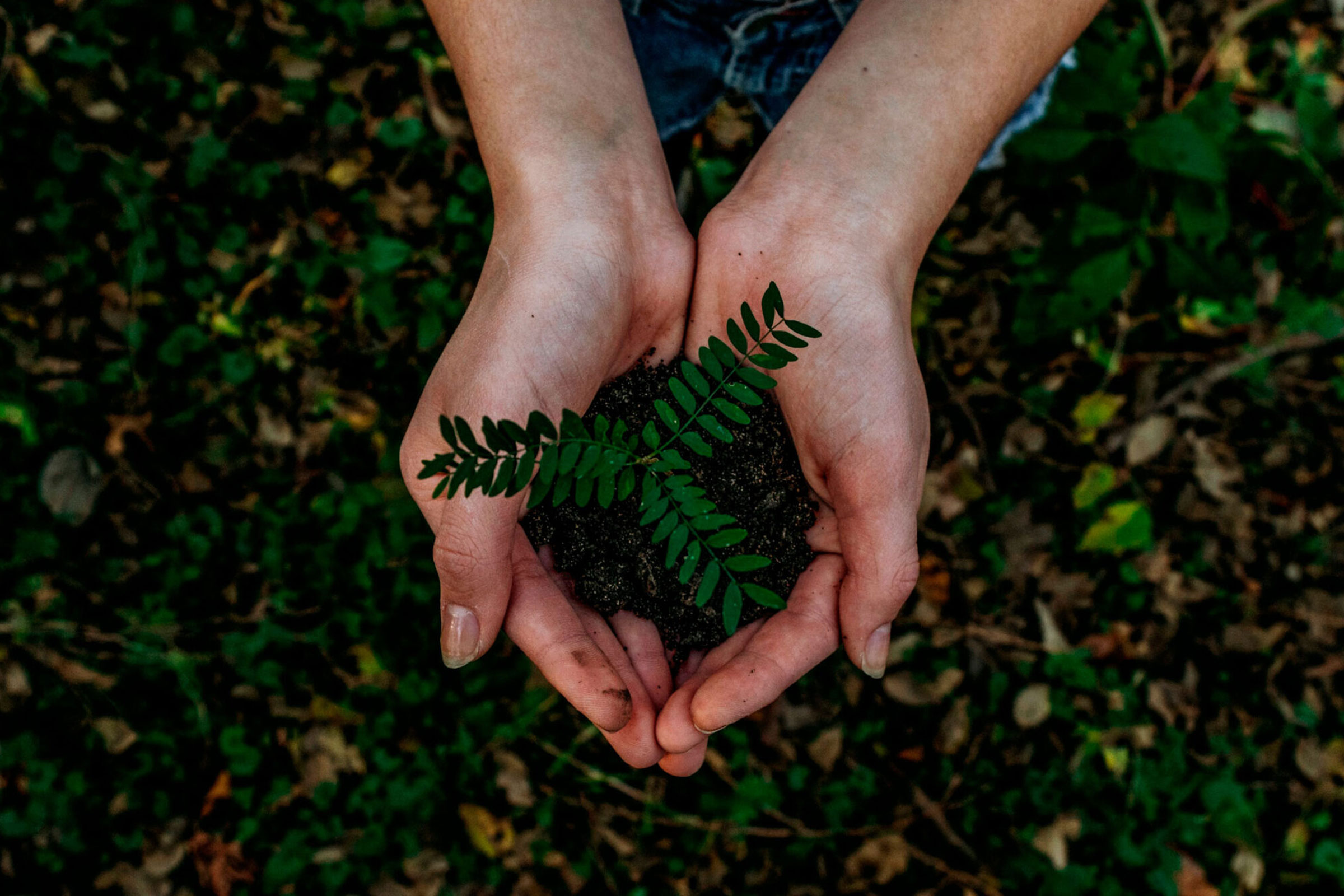
One of the activities that the company is very proud of is the participation to a project for the global reforestation. The way RF Roberto Fantoccoli 1975 adhere to this activity is by economically granting for the replantation of the same number of trees used to produce every packaging item ordered that are made from paper.
The GOTS is recognized as the most important standards for sustainable production of garments and textiles made from natural fibers from organic farming as organic cotton, organic wool, and silk.
The Global Organic Textile Standard was developed by leading international organizations in organic agriculture in order to guarantee the consumer that organic textile products are obtained in compliance with stringent environmental and social criteria applied at all levels of production, from the collection in the field of natural fibers to the subsequent manufacturing phases, up to the labelling of the finished product. GOTS, responding to the strong demand for common production criteria by the industry and the distribution of textile and clothing products, has obtained a vast international recognition that allows those who produce and sell organic textile products to have available a certification accepted in all the main markets.

Global Recycled Standard (GRS) certifies products obtained from recycled materials and manufacturing activities. Enhance products made with recycled materials, in compliance with environmental and social criteria extended to all stages of the production chain
Global Recycled Standard (GRS)
D2.1.1 The Global Recycled Standard (GRS) verifies (the percentage of) recycled [content/material] and tracks it from the [source/recycler] to the final product.
D2.1.2 Products certified to the Global Recycled Standard (GRS) contain recycled [content/material] that has been (independently) verified at each stage of the supply chain, from the [source/recycler] to the final product. In addition, facilities from the [source/recycler] to final supplier have met social, environmental, and chemical requirements.
D2.1.3 Products certified to the Global Recycled Standard (GRS) contain recycled [content/material] that has been (independently) verified at each stage of the supply chain, from the [source/recycler] to the final product. In addition, social, environmental, and chemical criteria related to processing are required.
D2.1.4 The purchase of Global Recycled Standard (GRS) certified products demonstrates demand for recycled content and best processing practices in the supply chain.
The Forest Stewardship Council® (FSC®) is an international non-profit, multistakeholder organization established in 1993 that brought to life a certification system to promote responsible management of the world’s forests. The standards that have been set aim to fight the illegal cuts, violation of the rights of indigenous peoples and promote the protection of biodiversity.
This certification is internationally recognised and signifies that the product comes from responsible sources, environmentally appropriate, socially beneficial, and economically viable. Our company grant the chain of custody for viscose fibers derived from cellulose that are coming from certified plantations.
Better Cotton is the world’s leading sustainability initiative for cotton. The mission is to help cotton communities survive and thrive, while protecting and restoring the environment. In 2005, as part of a round-table initiative convened by WWF, a group of visionary organisations came together to make sure cotton had a sustainable future. The Better Cotton Initiative (BCI) is the largest cotton sustainability programme in the world.
EUROPEAN FLAX® is an international certification registered by the European Confederation of Flax and Hemp [CELC] that aims to guarantee the traceability for premium linen fibre grown in Western Europe. A natural sustainable fibre, cultivated without irrigation and GMO free.
This certificate guarantee the fibre origin, the environmental sustainability, the social responsibility, the performance properties and the traceability that is verified through each step of processing and trading until finished product, for the global industry. The lever built and endorsed by the whole Western European fibre industry in on a common Charter signed by each fibre producer.
The Responsible Wool Standard (RWS) aims to improve the welfare of sheep and the land they graze on and it is a voluntary standard that requires all sites, from wool farms to the seller in the final business-to-business transaction, to be certified. RWS farmers and ranchers are evaluated against animal welfare, land management, and social requirements set in the standard.
Responsible Animal Fibers (RAF): RWS, RMS, RAS
D2.1.21 The [Responsible Wool Standard (RWS)/Responsible Mohair Standard (RMS)/Responsible Alpaca Standard (RAS)] verifies [wool/mohair/alpaca fiber] animal welfare and land management requirements and tracks it from farm to final product.
D2.1.22 Products certified to the [Responsible Wool Standard (RWS)/Responsible Mohair Standard (RMS)/Responsible Alpaca Standard (RAS)] contain [wool/mohair/alpaca fiber] from farms (independently) certified to animal welfare and land management requirements.
D2.1.23 The [Responsible Wool Standard (RWS)/Responsible Mohair Standard (RMS)/Responsible Alpaca Standard (RAS)] describes and (independently) certifies animal welfare and land management practices in [wool/mohair/alpaca fiber] production and tracks the certified material from farm to final product.
D2.1.24 The [Responsible Wool Standard (RWS)/Responsible Mohair Standard (RMS)/Responsible Alpaca Standard (RAS)] requires animal welfare and (responsible) land management practices to be in place at the [sheep/goat/alpaca] farm.
D2.1.25 The purchase of [Responsible Wool Standard (RWS)/Responsible Mohair Standard (RMS)/Responsible Alpaca Standard (RAS)] certified products demonstrates demand for (better) animal welfare practices and (responsible) land management in the [wool/mohair/alpaca fiber] supply chain.